TEDU Without Barriers works to support the full, effective, and equal participation of students with disabilities in university life through initiatives focusing on academic, physical, digital, social, and cultural accessibility. Its main activities include identifying students' individual needs, coordinating necessary accommodations in teaching and assessment processes, improving accessible learning environments, and promoting inclusive practices throughout the University.
In this regard, TEDU Without Barriers assesses students' accessibility needs from enrollment and orientation through graduation and coordinates with relevant academic and administrative units. Depending on individual needs, arrangements may include additional examination time, separate examination settings, alternative assessment methods, accessible course materials, and the use of assistive technologies. The unit's activities extend beyond academic accessibility to address access to campus facilities, participation in social and cultural events, engagement in sports activities, and students' sense of belonging to university life.
The unit collaborates with faculty members, academic departments, administrative staff, and relevant university committees to develop and improve accessibility practices. Its activities also include enhancing the accessibility of physical spaces and digital content, raising awareness of accessibility, evaluating student feedback, and regularly reviewing existing practices.
Activities During the 2025–2026 Academic Year
During the 2025–2026 academic year, TEDU Without Barriers continued its efforts to identify the individual needs of students with disabilities and reduce accessibility barriers in their educational experiences. Students' academic needs were assessed through individual communication, and coordination was maintained with faculty members and academic departments to support access to courses, examinations, and learning materials.
Depending on students' needs, arrangements included additional examination time, separate examination rooms and invigilators, alternative assessment methods, accessible course materials, and the use of assistive technologies. Particular attention was given to supporting students with visual impairments in accessing course materials and examination arrangements, as well as ensuring equitable participation in educational and assessment processes for students with chronic health conditions.
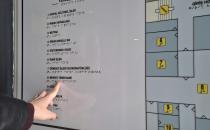
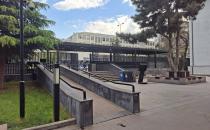
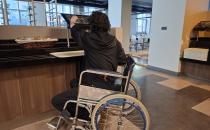
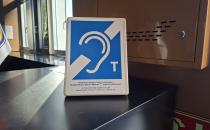
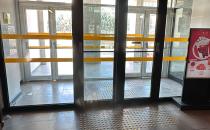
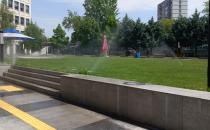
In addition to academic accessibility, efforts continued to improve the physical and digital accessibility of the campus. Barriers encountered in accessing and using physical spaces were assessed, and relevant departments were consulted regarding necessary improvements. In the area of digital accessibility, work was undertaken to improve the accessibility of university websites and digital content, including guidance and awareness-raising activities related to accessible content development.
Activities were also carried out to identify students' needs regarding participation in social, cultural, and sports activities. Collaboration with relevant university units continued to support students' equal participation in university life beyond the academic environment.
Throughout the academic year, TEDU Without Barriers maintained coordination with academic and administrative units to review existing practices, monitor students' changing needs, and improve accessibility services, contributing to the development of a more accessible and inclusive learning environment across the University.